
From Climate Concerns to Energy Security: How Wall Street is Pivoting
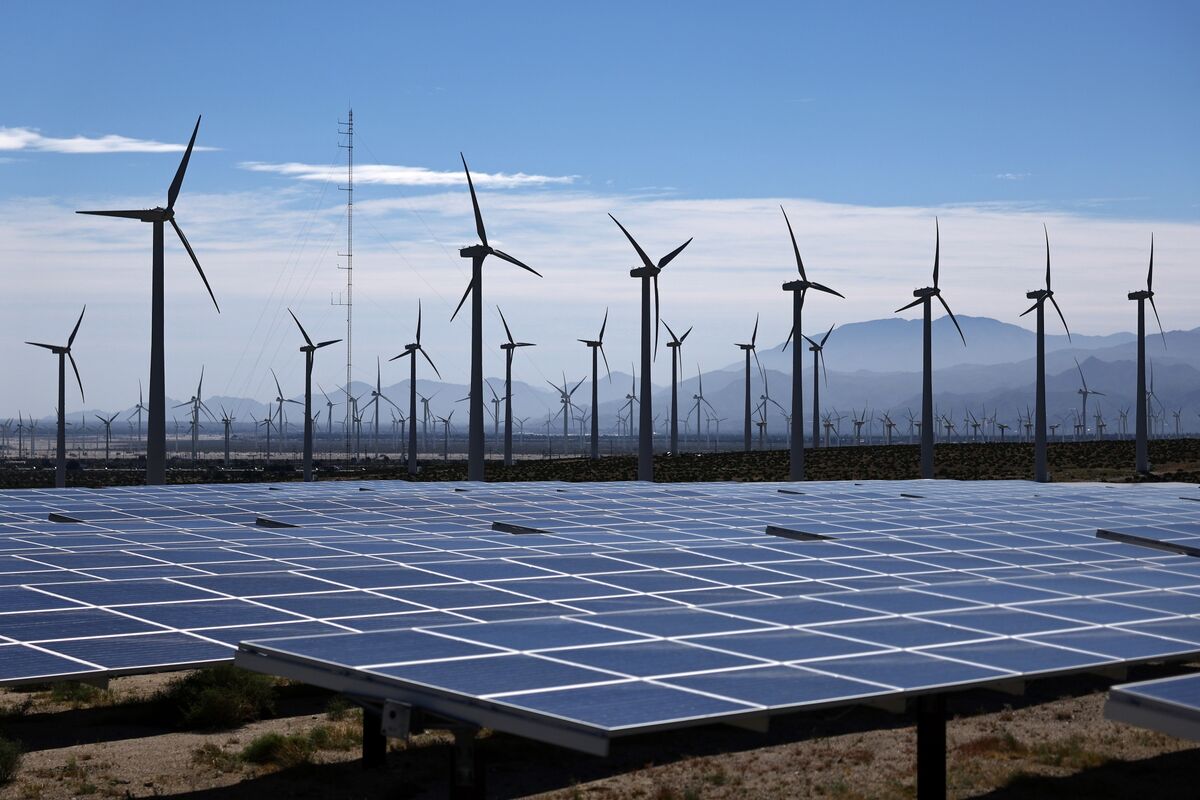
New York Climate Week has always been a significant event, but this year's gathering was unprecedented – both in attendance and in the shift in perspective from Wall Street. Gone is the traditional emphasis solely on 'climate finance,' replaced by a compelling new narrative: energy security. This strategic pivot reflects a growing understanding that addressing climate change and ensuring reliable energy supplies are increasingly intertwined, creating lucrative opportunities for financial institutions.
The Changing Landscape
For years, climate finance was often perceived as a niche area, driven by ethical considerations rather than purely financial incentives. However, geopolitical events, particularly the war in Ukraine, have dramatically altered this landscape. The fragility of global energy markets has exposed the vulnerability of nations reliant on specific suppliers, highlighting the urgent need for diversification and resilience. This realization has spurred governments and businesses alike to prioritize energy security, opening up a vast new arena for investment.
Wall Street's New Opportunity
Wall Street is seizing this opportunity with both hands. Instead of solely focusing on renewable energy projects, investment banks are now actively promoting financing for a broader range of initiatives, including:
- Renewable Energy Expansion: Solar, wind, hydro, and geothermal projects remain crucial, but with a renewed emphasis on grid modernization and energy storage to ensure reliability.
- Nuclear Power: A technology once sidelined due to safety concerns and cost, is experiencing a resurgence as a reliable, low-carbon energy source. Investment in next-generation nuclear technologies is gaining traction.
- Carbon Capture and Storage (CCS): This technology, which captures carbon dioxide emissions from industrial sources and stores them underground, is increasingly seen as essential for decarbonizing hard-to-abate sectors like cement and steel.
- Critical Minerals: The transition to clean energy requires vast quantities of materials like lithium, cobalt, and nickel. Investment in mining and processing these minerals is becoming a priority.
- Infrastructure Modernization: Upgrading existing energy infrastructure, including pipelines and transmission lines, is vital for ensuring efficient and reliable energy delivery.
The Intertwined Narrative
The beauty of this shift is that it effectively merges climate goals with national security interests. Investing in domestic energy production, diversifying supply chains, and strengthening infrastructure all contribute to both a more sustainable future and a more secure energy supply. This dual benefit makes the investment proposition far more appealing to both public and private investors.
Challenges and Considerations
While the energy security narrative presents a significant opportunity, challenges remain. The transition to a clean energy economy requires substantial investment and technological innovation. Furthermore, geopolitical risks and regulatory uncertainties can impact project viability. However, the growing consensus that energy security is paramount is driving increased investment and accelerating the pace of change.
Looking Ahead
The convergence of climate finance and energy security is reshaping the financial landscape. Wall Street's strategic pivot reflects a fundamental shift in priorities, recognizing that addressing climate change and ensuring reliable energy supplies are not mutually exclusive goals, but rather interconnected imperatives. Expect to see continued innovation and investment in this space as the world grapples with the challenges of a rapidly changing energy landscape. The unprecedented attendance at New York Climate Week this year signals that this trend is here to stay, and its impact will be felt for years to come.