NHTSA Proposal Could Fast-Track Driverless Cars: What It Means for the Future of Transportation
Autoblog•
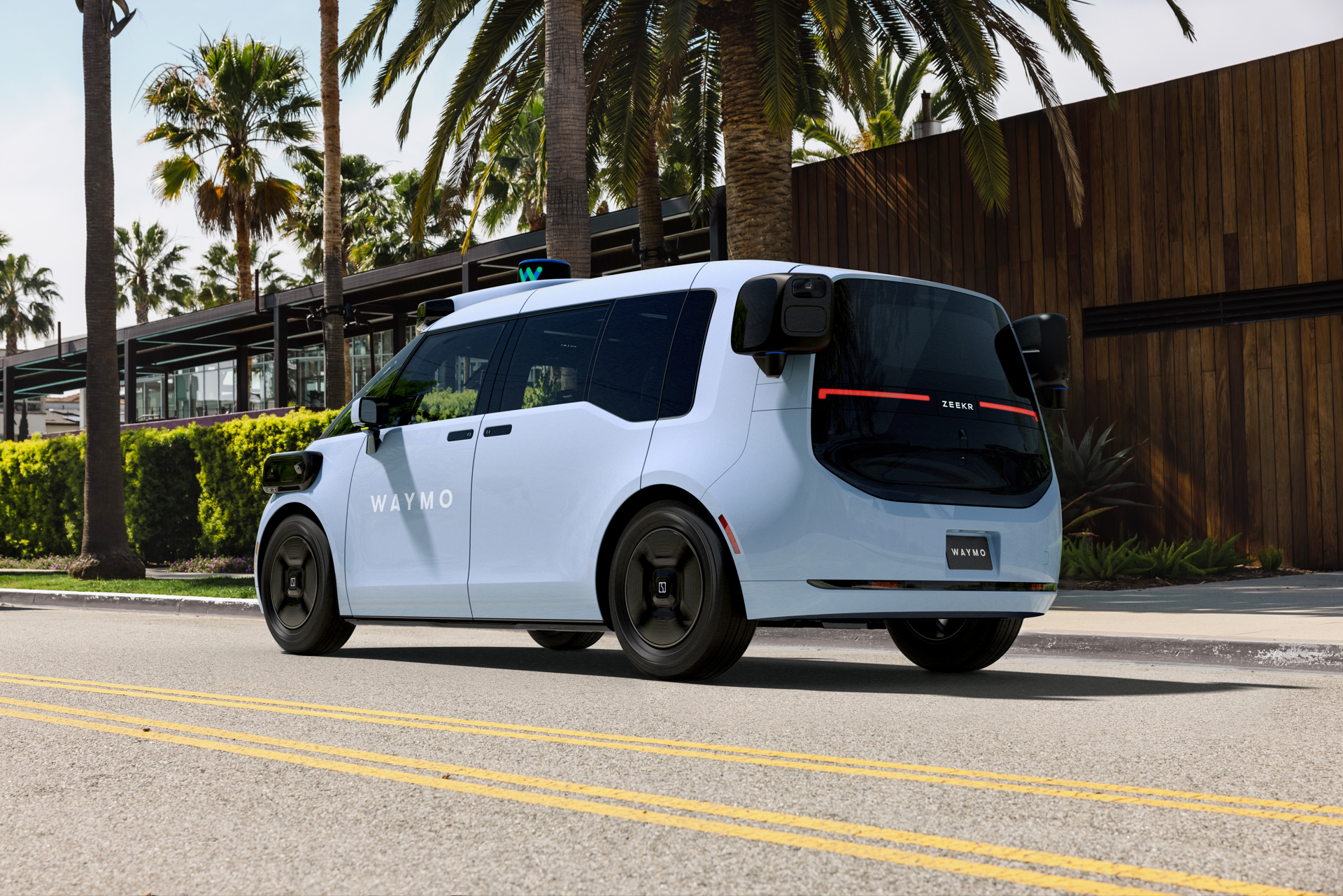
The National Highway Traffic Safety Administration (NHTSA) is proposing significant changes to its regulations, potentially paving the way for faster deployment of autonomous vehicles. This move represents a pivotal moment in the evolution of transportation, with implications for automakers, technology companies, and consumers alike. The proposed changes aim to streamline the approval process for driverless cars, focusing on safety performance rather than specific design features.
Understanding the Current Landscape
Currently, NHTSA’s regulations are largely based on traditional vehicle safety standards designed for human drivers. These standards don’t always align with the unique capabilities and challenges of autonomous vehicles. For example, regulations regarding steering wheels and pedals, essential for human drivers, become irrelevant in a fully driverless car. This has created a regulatory bottleneck, hindering the widespread adoption of this transformative technology.
The Proposed Changes: A Shift in Focus
The NHTSA’s proposed rulemaking focuses on shifting the emphasis from prescriptive design requirements to performance-based standards. Instead of dictating how automakers must build a driverless car, NHTSA would evaluate vehicles based on their overall safety performance. This approach allows for greater innovation and flexibility, encouraging companies to develop cutting-edge safety systems.
Key aspects of the proposed changes include:
- Reducing Regulatory Burden: Simplifying the approval process by minimizing unnecessary requirements.
- Focus on Safety Performance: Evaluating vehicles based on their ability to avoid accidents and protect occupants.
- Encouraging Innovation: Allowing automakers to explore novel safety technologies and designs.
- Data Collection and Sharing: Promoting the collection and sharing of safety data from autonomous vehicles to continuously improve performance.
Implications for the Future of Transportation
The potential impact of these changes is far-reaching. Faster deployment of driverless cars could lead to:
- Increased Road Safety: Autonomous vehicles have the potential to significantly reduce accidents caused by human error, which accounts for a vast majority of crashes.
- Improved Traffic Flow: Driverless cars can communicate with each other and optimize routes, reducing congestion and improving traffic efficiency.
- Enhanced Accessibility: Autonomous vehicles can provide mobility solutions for individuals who are unable to drive, such as the elderly or people with disabilities.
- New Business Models: The rise of driverless cars could spawn new business models, such as robotaxis and autonomous delivery services.
Challenges and Concerns
While the proposed changes are generally viewed positively, they also raise some concerns. Ensuring the safety and security of autonomous vehicles remains paramount. Robust testing, validation, and cybersecurity measures are essential to prevent accidents and protect against hacking. Furthermore, ethical considerations surrounding the decision-making capabilities of driverless cars in unavoidable accident scenarios require careful attention.
What's Next?
NHTSA is currently seeking public comments on the proposed rulemaking. After reviewing these comments, the agency will finalize the regulations. It’s expected that the new rules will significantly accelerate the development and deployment of driverless cars, ushering in a new era of transportation.
The move by NHTSA marks a crucial step towards realizing the promise of autonomous vehicles, but continued vigilance and collaboration between regulators, automakers, and technology companies will be essential to ensure a safe and beneficial transition to this transformative technology.