RFK Jr. Faces Heated Scrutiny in Senate Hearing: Vaccine Policies and Healthcare Overhaul Under Fire
The Associated Press•
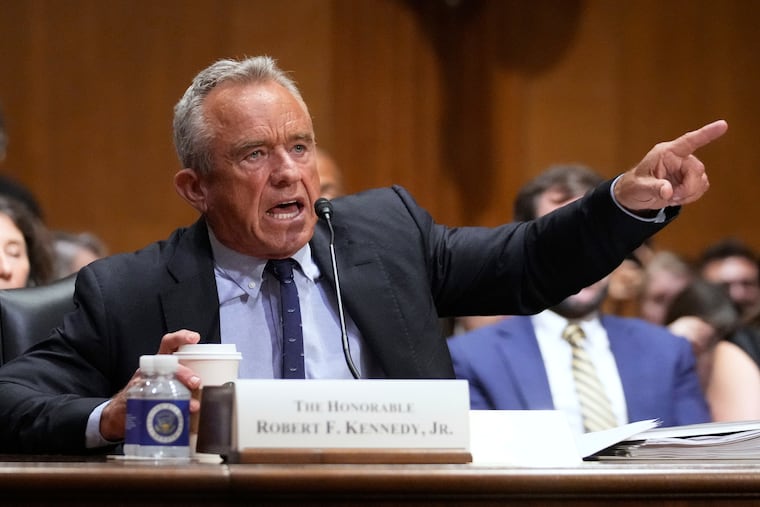
Robert F. Kennedy Jr., a prominent figure known for his advocacy and often controversial views on health and wellness, recently faced a contentious hearing before the Senate Finance Committee. The session, intended to examine his proposed changes to vaccine policies, healthcare initiatives, and leadership structures, quickly descended into a series of intense exchanges and heated debates. This article delves into the key takeaways from the hearing, exploring the accusations leveled against Kennedy Jr. and the implications of his proposed reforms.
A Contentious Atmosphere
From the outset, the hearing was charged with tension. Kennedy Jr., nominated for a key health-related role, found himself defending a series of sweeping changes he's championed. These include questioning the safety and efficacy of certain vaccines, proposing significant alterations to healthcare policy, and advocating for shifts in leadership within relevant agencies. The committee members, representing a range of perspectives, pressed him rigorously on these points, leading to several instances of raised voices and passionate disagreements.
Key Accusations and Kennedy Jr.'s Responses
Several central accusations dominated the hearing. Critics questioned Kennedy Jr.'s stance on vaccines, citing his past statements that have been widely disputed by the scientific community. He countered by arguing that he supports vaccines but believes in allowing for greater individual choice and a more thorough examination of potential adverse effects. This position has drawn criticism from public health officials who emphasize the importance of widespread vaccination in preventing disease.
Furthermore, Kennedy Jr. faced scrutiny regarding his proposed changes to healthcare policy. He advocated for a more decentralized and patient-centered approach, suggesting reforms that would shift power away from large insurance companies and government agencies. Committee members raised concerns about the potential impact of these changes on access to care and the stability of the healthcare system.
Leadership and Potential Conflicts of Interest
The hearing also addressed concerns about Kennedy Jr.'s leadership style and potential conflicts of interest. His past associations with organizations and individuals who have questioned established scientific consensus raised eyebrows among some committee members. Kennedy Jr. attempted to address these concerns, emphasizing his commitment to transparency and his willingness to work collaboratively with policymakers.
The Implications and Future Outlook
The outcome of this hearing remains to be seen, but it is clear that Kennedy Jr.'s confirmation process will be challenging. The intense scrutiny he faced highlights the deep divisions within the country regarding vaccine policies and healthcare reform. Regardless of the final decision, the hearing served as a platform for a crucial national conversation about these vital issues. The debates surrounding his proposals are likely to continue, shaping the future of public health policy in the United States.
The hearing underscored the importance of evidence-based decision-making in public health and the need for open and respectful dialogue on controversial topics. It also highlighted the complex interplay between individual liberties, public safety, and the role of government in healthcare.